Language services explained: Translation, editing, proofreading and copywriting
admin_sapounaki ·

A company expanding into Greece may need its website translated, its marketing campaigns adapted and its product descriptions rewritten for local customers. Although these tasks are closely related, they require different skills and approaches.
Translation, editing, proofreading and copywriting each play a distinct role in producing effective written content. Understanding how they work, where they differ and when they complement one another is particularly useful for businesses communicating across languages and markets.
This guide explores the main language services, with practical examples of how they support content development and communication with Greek-speaking audiences.
Editing Vs. Proofreading: What's The Difference?
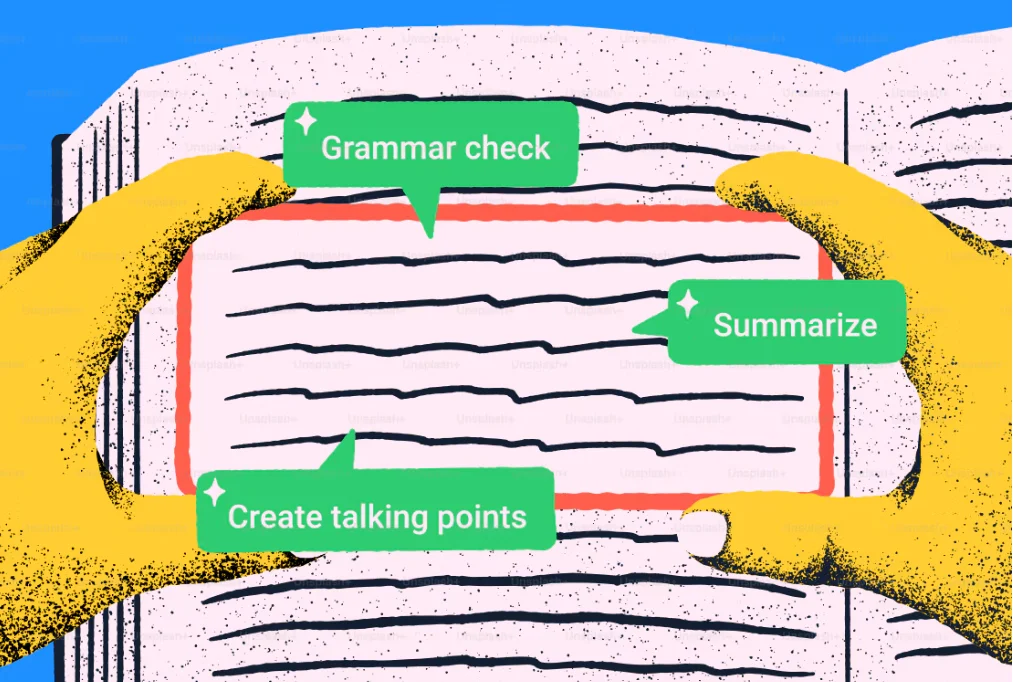
Editing and proofreading both improve existing content, but the scope of their work differs.
Proofreading corrects remaining language and typographical errors. Editing improves how a text communicates, addressing clarity, style, coherence and, when necessary, structure.
Proofreading services
Proofreading is the final language check of a completed text.
A proofreader corrects spelling, grammar, punctuation and typographical errors. They also check consistency in names, numbers, abbreviations and formatting.
Changes are usually limited and preserve the author's wording, meaning and style.
When do you need proofreading?
When the content and structure are finalized, but the document needs a final check before publication or submission.
For example, a Greek-language product catalogue may only require proofreading before it goes to print.
Editing services
Editing improves the clarity, readability and organization of a text without compromising the author's voice.
An editor may refine sentence structure, rewrite unclear passages, remove repetition and improve transitions between paragraphs. The extent of these changes depends on the text's condition and intended use.
Copyediting and stylistic editing
Copyediting focuses on language accuracy, clarity, consistency and adherence to editorial conventions. Stylistic editing places greater emphasis on expression, tone, rhythm and readability.
The two often overlap, particularly in projects involving articles, books, websites and business communications.
For example, an English-to-Greek website translation may convey the original meaning accurately but contain phrasing that feels unnatural to Greek readers. Editing can improve its flow while preserving the intended message.
Formatting and editorial consistency
This work ensures that a document follows consistent editorial and presentation conventions.
It may involve checking headings, citations, footnotes, bibliographic references, abbreviations, and other formatting elements against a style guide or publishing requirements.
It is especially relevant to books, dissertations, academic articles and documents prepared for formal submission.
Developmental editing
Developmental editing addresses the overall structure, organization and development of a manuscript.
An editor may assess how sections connect, whether ideas progress logically and where content needs to be expanded, reduced or reorganized.
In fiction, this can include evaluating plot development, pacing and characterization.
Developmental editing may begin during drafting or take place after a complete manuscript is ready for substantial revision.
When do you need editing?
When a text is accurate but could communicate more clearly, read more naturally, or follow a stronger structure.
A blog article, for instance, may contain useful information yet lose readers through lengthy sentences, repetition, or poorly connected sections. Editing addresses these issues without changing the article's purpose.
How do you choose between editing and proofreading?
Choose proofreading when your text is complete and needs only a final error check.
Choose editing when its wording, style, flow, or structure needs improvement.
Professional Translation services
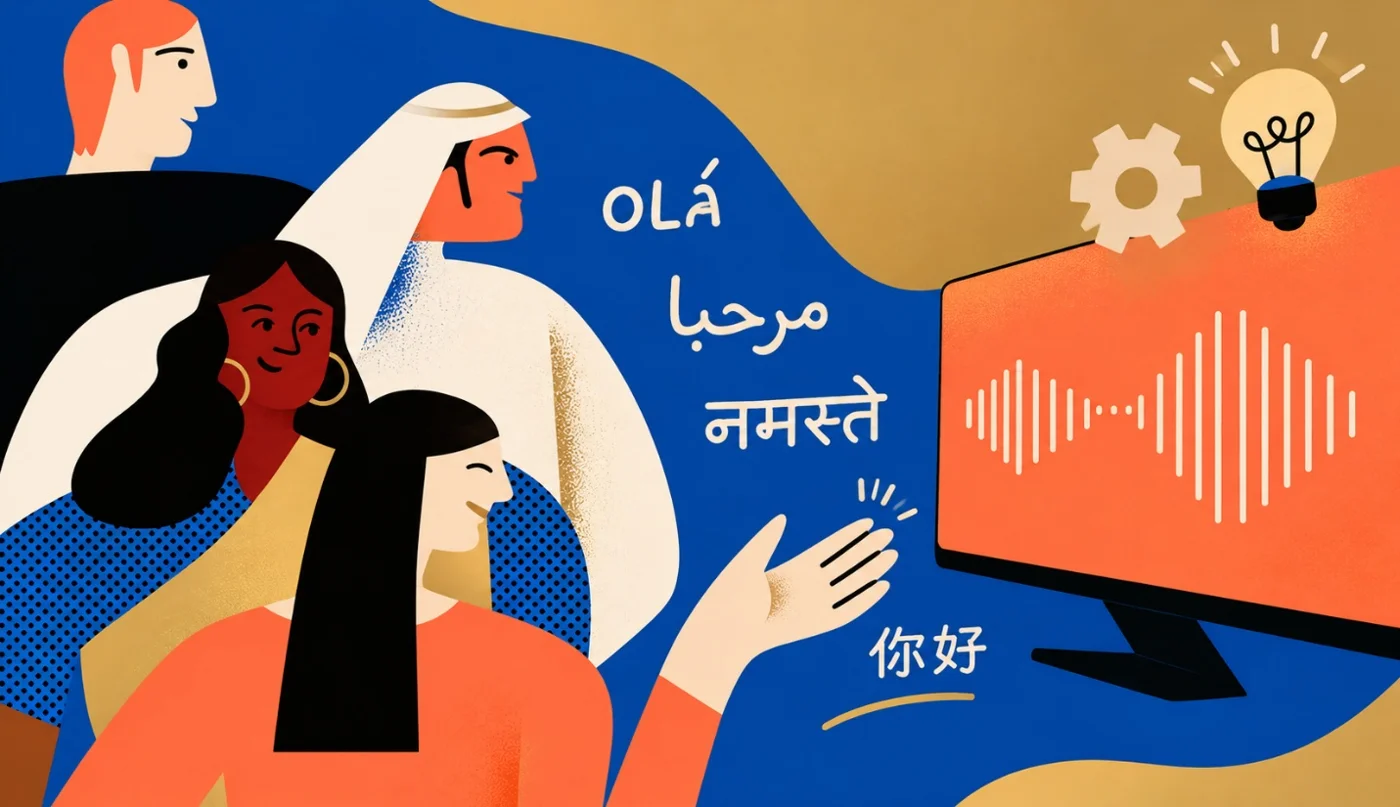
Translation transfers written content from one language into another while preserving its meaning, purpose, and tone.
Professional translators combine linguistic expertise with subject knowledge and an understanding of the intended audience. A legal agreement, a technical manual and an advertising campaign therefore call for different approaches.
For international businesses entering Greece, the choice of translation service also depends on how the content will be used and who will read it.
Legal translation
Legal translation demands precise terminology and an understanding of legal concepts.
Contracts, agreements, court documents and other legal materials require particular care because small differences in wording may affect their interpretation.
Some documents must also meet official or certified translation requirements, which vary by country, authority and document type.
Typical applications: Commercial agreements, contracts, legal correspondence and documents intended for submission to public authorities.
For example, an international business establishing operations in Greece may need its commercial agreements translated into Greek. Any certification requirements should be confirmed with the receiving authority before commissioning the work.
Technical translation
Technical translation involves specialized documents where accuracy and terminological consistency are essential.
Common materials include operating manuals, technical specifications, installation instructions, and safety documentation.
Errors in these texts can create practical problems, particularly when readers rely on translated instructions to operate equipment or follow procedures.
Typical applications: Product manuals, engineering documents, technical specifications and safety instructions.
A manufacturer supplying equipment to Greece, for instance, may require Greek-language operating instructions that use established technical terminology and clearly describe each procedure.
Greek localization services
Localization adapts content to the language, culture and practical conventions of a particular market.
Alongside translation, it may involve adjusting currencies, measurement units, date formats, cultural references and interface terminology.
Consider an international online store launching in Greece. Beyond translating product descriptions, the business may need to adapt checkout messages, delivery information and other customer-facing content to local expectations.
Typical applications: Multilingual websites, eCommerce platforms, mobile applications and digital products.
Transcreation: Creative translation for marketing
Transcreation recreates a message's intended effect in another language, rather than following its original wording closely.
It is particularly valuable when advertising relies on humor, wordplay, emotion or cultural references.
An English slogan built around a pun, for example, may lose its impact when translated literally into Greek. Transcreation develops an alternative that preserves the campaign's purpose and brand personality.
Typical applications: Advertising campaigns, slogans, brand messaging and promotional content.
Back translation
Back translation involves translating a completed translation back into the original language.
It can help identify potential differences in meaning, particularly in research materials where the wording of individual concepts matters.
For example, an English questionnaire translated into Greek may be translated back into English as part of a broader validation process.
Back translation is a supplementary method and does not, on its own, establish translation quality.
Content Creation and Copywriting Services

Some projects require original content rather than the translation or revision of existing material.
Professional content creation may involve research, planning, drafting, and refining texts for a particular audience and purpose.
For international businesses targeting Greece, original Greek copywriting can be more appropriate than translating existing English material, especially when the message needs to align with local consumer expectations.
Commercial and advertising copywriting
Commercial copywriting creates content that presents products or services, attracts potential customers, and encourages actions such as purchasing, registering, or making an enquiry.
It covers website copy, product and service pages, advertisements, email campaigns, newsletters and social media content.
A product page, for example, should do more than list specifications. It needs to explain how the product benefits the customer, address relevant questions and provide a clear path towards purchase.
Effective copywriting combines audience research, a clear value proposition and messaging aligned with the business's objectives.
Typical applications: Business websites, landing pages, product descriptions, advertising campaigns and marketing emails.
Scientific and technical writing
Scientific and technical writing involves preparing specialized content in accordance with the terminology and conventions of the relevant field.
A professional writer may help organize complex information, improve explanations, and refine the language while collaborating with the subject-matter experts responsible for the content.
For scientific publications, external writing contributions must comply with applicable authorship and acknowledgment requirements.
How Language Services Work Together
Language services can complement one another at different stages of a project.
Consider an international brand preparing to launch in Greece. Its existing website may first be translated into Greek, then localized to reflect local conventions. Editing can refine the language and ensure a consistent tone, while proofreading catches remaining errors before publication.
A separate advertising campaign might instead require transcreation or original Greek copywriting, depending on whether the existing message can be adapted effectively.
The benefit lies in combining the right expertise at the right stage. This can improve consistency, reduce avoidable revisions, and help content communicate effectively without adding unnecessary work.
Language Services at A Glance
| Your objective | Relevant service |
|---|---|
| Translate English content into Greek or vice versa | Professional translation |
| Correct spelling, grammar and typographical errors | Proofreading |
| Improve clarity, wording and style | Editing |
| Check references, footnotes and formatting | Editorial consistency and formatting |
| Reorganize or develop a manuscript | Developmental editing |
| Adapt a website for the Greek market | Localization |
| Recreate an advertising message for Greek audiences | Transcreation |
| Create original content for Greek-speaking customers | Greek copywriting |
What to Consider Before Hiring A Language Professional
A clear project brief helps establish expectations, define the scope of work, and avoid unnecessary revisions.
What is the purpose of the content?
Is the goal to inform, persuade, publish or reach a new market? A technical manual and an advertising campaign require different approaches, even when both are being translated into Greek.
Who is the intended audience?
Content aimed at consumers, business professionals or specialist readers calls for different terminology and levels of formality.
Where will the text appear?
An internal document, a published article and a public-facing website have different requirements for style, accuracy and presentation.
How complete is the material?
A finalized document may need proofreading, while an early draft may benefit from editing or further development.
Does the subject require specialist expertise?
Legal, technical, and scientific content should be handled by professionals with relevant knowledge and experience.
What are the expected deliverables?
Clarify the languages involved, the scope of work, preferred terminology, file formats, deadlines, and any applicable style guidelines before the project begins.
The right language service starts with understanding your content
Translation, editing, proofreading, and copywriting require different skills, but their value ultimately depends on how well the finished content communicates with its intended audience.
For international businesses entering the Greek market, this means more than getting the words right. It means preserving the original message while ensuring that the language, tone, and terminology feel natural and relevant to Greek-speaking readers.
At Words Collective, we work with both language and context. We consider what your content needs to achieve, who it needs to reach, and which approach will deliver the best result. Whether we're translating a technical document, refining existing copy, or adapting a marketing message, we focus on accuracy, clarity, and communication that works.
Your Message Deserves More Than the Right Words
Whether you're entering the Greek market or refining content for an international audience, the details make the difference. At Words Collective, we bring language expertise, cultural understanding, and a sharp editorial eye to every project.
Let's make your words work harder. Talk to us.